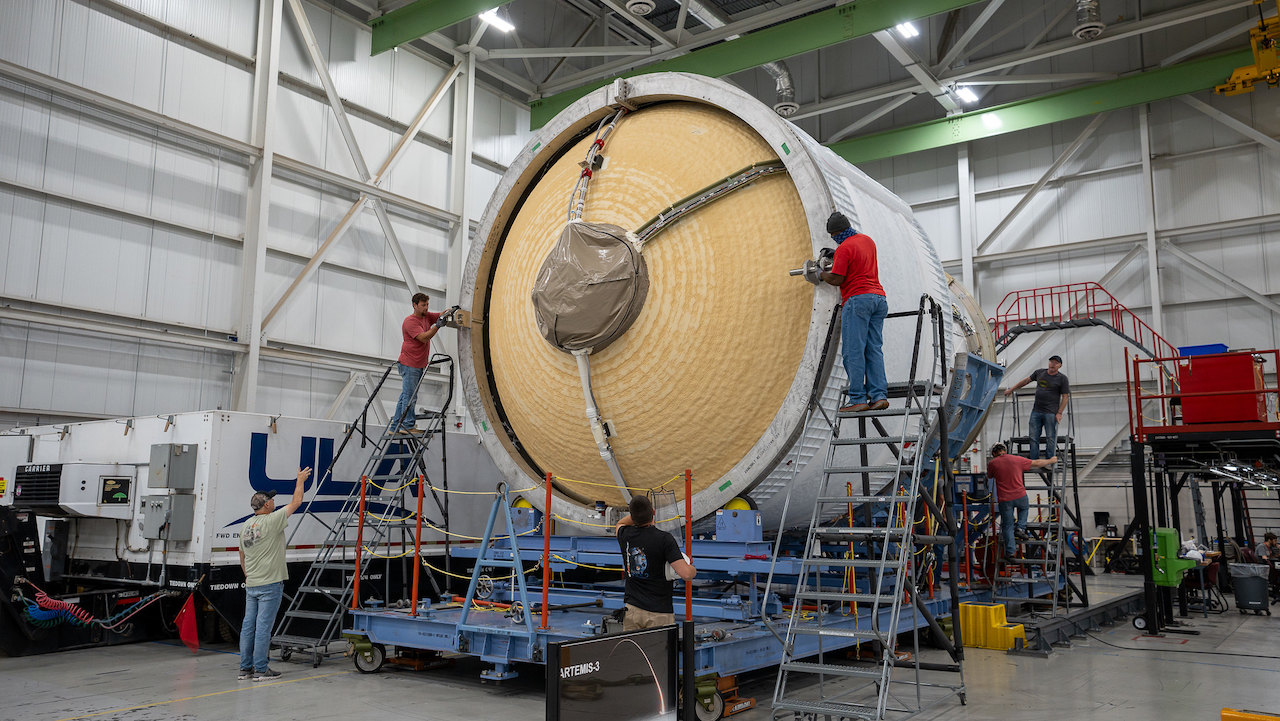





Artemis III images

Artemis III images (old-new)

The Artemis program is an ambitious human spaceflight initiative led by NASA that aims to return astronauts to the Moon and establish a sustainable presence there for the first time since the era of Apollo program missions in the late 1960s and early 1970s. Announced in 2017 and named after Artemis, the twin sister of Apollo in Greek mythology, the program represents a new phase of international exploration that combines advanced technology, long-term scientific goals, and cooperation with numerous partners around the world. Central to the program is the powerful Space Launch System (SLS) rocket, designed to carry the Orion spacecraft and its crew beyond Earth orbit toward the Moon. The first mission, Artemis I, launched in November 2022 as an uncrewed test flight that successfully demonstrated the integrated performance of the rocket and spacecraft during a journey around the Moon and back to Earth. This was followed by preparations for Artemis II, which will send astronauts on a lunar flyby, marking the first time humans travel beyond low Earth orbit since 1972. The subsequent mission, Artemis III, is planned to land astronauts near the lunar south pole, a region of particular scientific interest because it may contain water ice preserved in permanently shadowed craters; this ice could eventually be used for life support, drinking water, and even rocket fuel, making long-term exploration more practical. In addition to lunar landings, the Artemis architecture includes the development of the Lunar Gateway, a small space station that will orbit the Moon and serve as a staging point for scientific missions, astronaut transfers, and future expeditions deeper into the solar system. The program also emphasizes broad international collaboration through partnerships with space agencies such as European Space Agency, Japan Aerospace Exploration Agency, and Canadian Space Agency, as well as commercial companies including SpaceX, which is developing a lunar landing system based on its Starship spacecraft. Beyond its technological achievements, Artemis has symbolic goals as well: it aims to land the first woman and the first person of color on the Moon, reflecting a broader and more inclusive vision of exploration. Ultimately, the Artemis program is intended not only to expand scientific knowledge of the Moon’s geology, environment, and resources, but also to test the technologies, operational methods, and international partnerships that will be required for humanity’s next great step in space exploration – sending astronauts onward to Mars in the decades ahead.

Artemis III ICPS prepped for Shipment from ULA, Alabama to Florida
02-08-2023 Artemis III ICPS from ULA to Florida

Footnote